Cat Attacking Tail? How to Know if It’s Feline Fun or Cause for Concern
21 Sept 2026.
Felines are complex and mysterious animals. While it may not seem like it, your tiny house lion has never been fully domesticated. Hence, even now, there are many habits Mr Whiskers has that we humans find puzzling. Your cat attacking their own tail is probably one of these! But how do you know if it’s just another cute quirk or cause for concern? Below, Cat in a Flat reveals the wonderful secrets of your feline’s tail and why they might like attacking or chasing it.
Table of contents
Why do cats have tails?
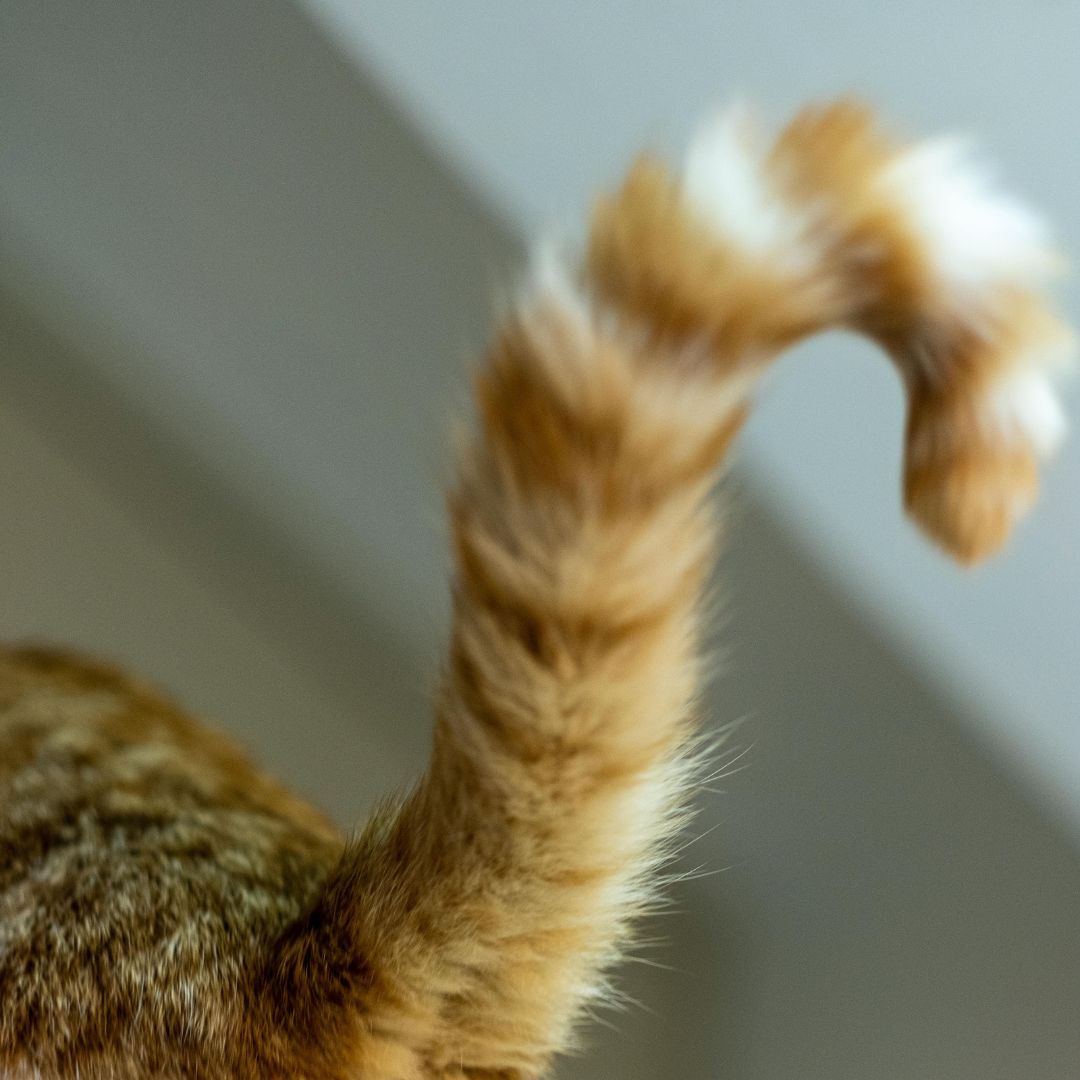
Why do cats have tails? Tails are an important part of the feline physique. They help with balance and spatial awareness and are a way to communicate with humans and other animals! Your fur friend can use their tail to manoeuvre along a narrow countertop, twist during a fall to land on their feet, or sense what’s behind them when they’re in hunting mode. This appendage can also serve as a form of communication. For example, a straight tail with a little droop at the tip means Mr Whiskers is happy and confident. A puffed tail, on the other hand, is an indicator your cat feels threatened or angry.
Why does my cat attack their own tail?
Why does my cat attack their own tail? There can be a few reasons why your fur friend engages in this behaviour. Sometimes it’s a harmless way for your kitty to keep themselves entertained, but other times it can be an unhealthy behaviour. Below are the most common reasons a feline might chase their own tail.
Curiosity and play
It’s not unusual for kittens or young kitties to play with, chase, or attack their own tails. This is probably prompted by curiosity and playfulness. Attacking their own tail helps your tiny feline develop motor-skills and coordination. It can also be an endless source of entertainment!
There are also some felines that are more playful and curious than others, even in adulthood. Sometimes, whether a cat enjoys attacking their own tail will depend on their personality. Every fur friend is unique, so if Mr Whiskers still chases their tail as an adult, it just means they remain a kitten at heart!
Paw Parent Tip: Whether you have a kitten or an adult feline, it’s important you provide plenty of outlets to spark your cat’s natural hunting instincts. Play with your cat every day, provide safe toys for self-play, and create a feline-friendly household.
Boredom
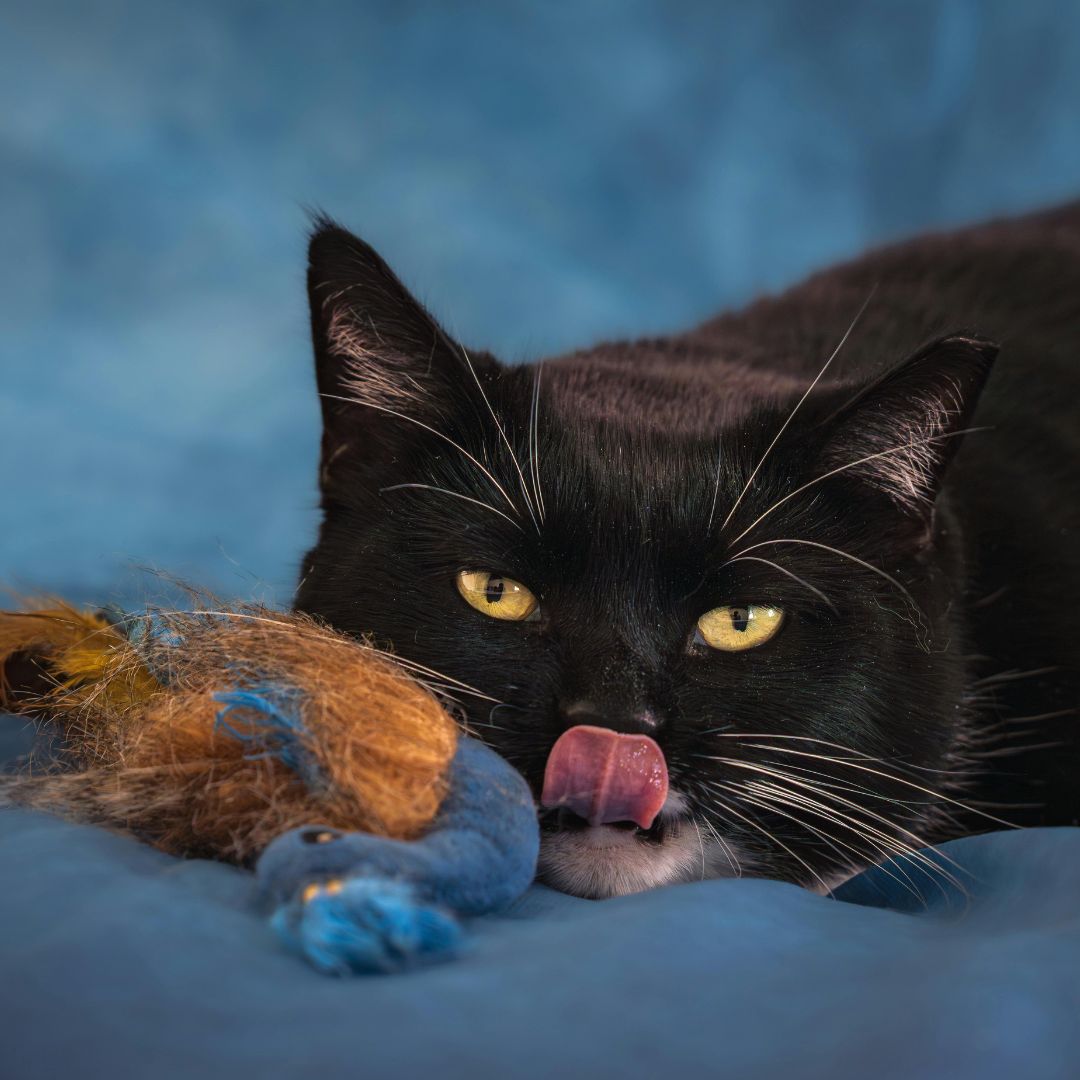
If your kitty is suddenly attacking their own tail, boredom could be the reason. Even low-activity breeds can become bored—which can lead to unwanted, and sometimes destructive, behaviours. Your kitty may shred the toilet paper, knock things off tables, wake you up in the night, or even become aggressive.
If your furry friend doesn’t usually attack their own tail, then starts doing it frequently, they may be feeling under-stimulated. But the good news is, with time and patience boredom is a solvable problem!
Paw Parent Tip: Other than playing with your cat, you can keep them engaged by teaching them tricks. Mr Whiskers might also my benefit from the company of a feline friend they can play with. If you spend long hours outside the home each day and are worried about your fur friends not getting enough stimulation, consider hiring a cat sitter to pop in during the day to play with them!
Allergies
If your cat is attacking and biting their tail, especially at the base where it meets the spine, there may something bothering them. Skin allergies can be caused by food, environmental factors, or parasites like fleasand ticks. Signs of skin irritation or allergies include:
- Frequent scratching or biting the skin
- Bald patches from hair loss
- Red or flaky skin
- Changes in your kitty’s toilet routine
- Frequent vomiting due to upset stomach
If you suspect your fur friend might have an allergy, take them to the vet. They’ll be able to provide a proper diagnosis and determine if your kitty needs a change of diet or some other treatment. Also make sure to stay up to date on Mr Whiskers’ vaccinations and worm, flea, and tick treatments.
Paw Parent Tip: Never try to treat skin irritation or allergies on your own. While homeopathic remedies can help some felines, these should be used only with vet approval and in tandem with prescribed medical treatment.
Anxiety or stress
It’s good to take note of when your kitty attacks their own tail, as this will help you determine what’s causing it. In some cases, it’s possible your cat is attacking their tail due to stress or anxiety. For example, did you notice your fur friend doing it after moving home? When you have guests over? After introducing a new baby into the family?
Felines are creatures of habit and can get anxious when there are changes to their home life and routine. One of the ways a cat might show they’re stressed is by attacking their own tail. Excessive meowing, hiding, and aggression can be other signs of a stressed fur friend.
Paw Parent Tip: Provide a cozy spot your furry friend can retreat to when they’re feeling stressed or anxious. This can by a cubby, cat tree, or even a box with a blanket inside. To keep stress to a minimum, avoid boarding your feline at a cattery when you travel. Instead, opt for at-home care from a loving and trustworthy cat sitter. This way Mr Whiskers can stay in the comfort of home.
Pain
Your feline’s tail is a complex appendage full of muscles, nerves, and tendons. Injuries and illnesses affecting the tail can occur, hence your cat may attack it because they’re in pain. Mr Whiskers can feel discomfort due to injury, infection, arthritis (especially common in older felines), or due to specific disorders that affect certain breeds like Scottish Folds.
Paw Parent Tip: Pain can impact every aspect of your feline’s life. If you notice any changes in their eating and toilet routines, dilated pupils, or if your cat is hiding a lot, take them to the vet. Your veterinarian will be able to assess any injuries and find the source of your kitty’s pain.
Should I stop my cat from attacking their tail?
Should I stop my cat from attacking their tail? If your kitty has always engaged in this behaviour, it’s most likely one of their many wonderful quirks. In this case, there’s no need to stop Mr Whiskers from chasing their tail. However, if the behaviour suddenly starts out of the blue, you will need to find out what’s causing it and take steps to prevent it. Most importantly, remember to never punish your cat for attacking their own tail. This will only make the behaviour worse and your kitty more anxious. Instead, seek veterinary help, then find ways to gently discourage or redirect your feline’s focus.
Want to learn more about feline behaviour? Find out why cats chatter at birds and how to know when your kitty is feeling upset.
- #cat behaviour
- #catinaflat
- cat attacking tail
- cat behaviour
- kitten attacking tail
- kitten chasing tail
- why cats attack their tails
- why cats chase their tails